Top 10 Benefits of Direct Screen Display Technology for Your Business
In today’s fast-paced business environment, leveraging technology is crucial. Direct Screen Display technology stands out as a game-changer. Renowned expert Dr. Emily Carter, a leader in digital display solutions, emphasizes, "Direct Screen Displays transform how we engage with customers." This technology enhances visibility and interaction, making it vital for modern businesses.
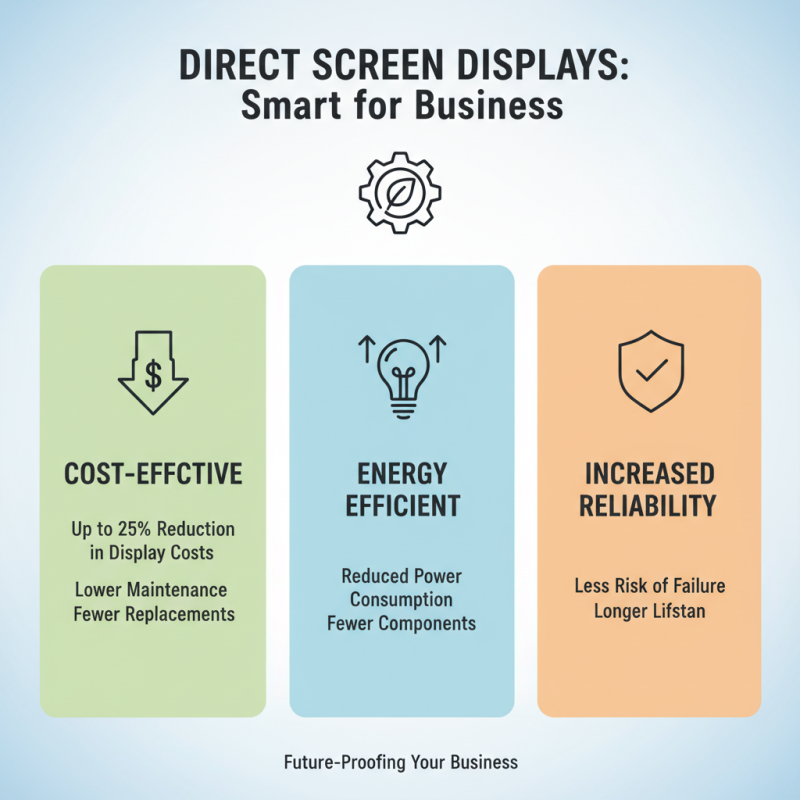
Direct Screen Display offers multiple advantages that can elevate a brand. For instance, improved clarity can capture attention effectively. Businesses using this technology often experience higher customer engagement rates. It's essential to recognize both the opportunities and potential drawbacks. Some companies struggle with initial costs and maintenance challenges.
Direct Screen Display can be a powerful tool for any organization. However, not every implementation will go smoothly. Companies must remain informed and adapt their strategies accordingly. Embracing this technology requires careful planning and reflection on results.

Understanding Direct Screen Display Technology and Its Applications
Direct Screen Display Technology is revolutionizing the way businesses communicate. This technology utilizes high-resolution screens that display images directly, enhancing visibility and engagement. According to a recent report from MarketsandMarkets, the direct view LED market is projected to grow from $6.14 billion in 2021 to $10.65 billion by 2026. This significant growth reflects a shift towards more immersive experiences in both retail and corporate environments.
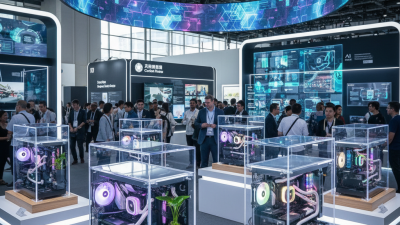
Applications of this technology are diverse. Retailers use large screens to showcase products, drawing in customers effectively. At corporate events, these displays are crucial for presentations, making data sharing effortless and compelling. Studies by the Digital Signage Federation show that 47% of consumers are influenced by digital signage. The ability to convey information quickly is vital in today's fast-paced market.
While the benefits are substantial, challenges remain. Implementation can be costly, and technical issues may occur. Moreover, the effectiveness can decline if not updated regularly. Businesses need to weigh these factors carefully. In the end, investing in Direct Screen Display Technology can transform communication. However, it's essential to approach it with a critical mindset.
Increased Engagement and Interaction with Customers
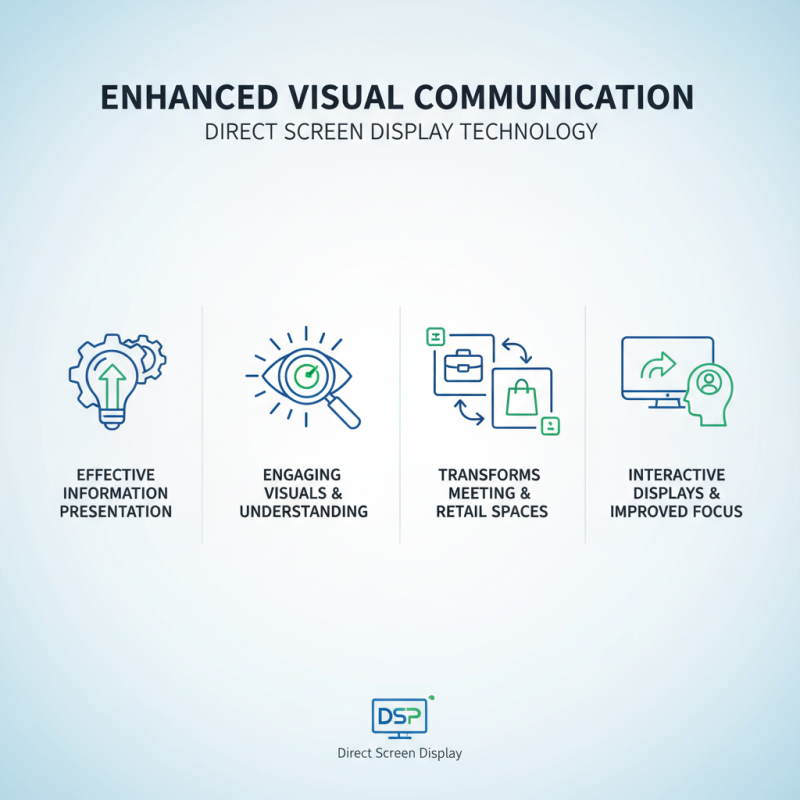
Engaging customers is vital for any business. Direct screen display technology can transform how businesses interact with their audience. By creating captivating visual experiences, these displays capture attention instantly. Bright colors and dynamic content draw in potential customers. This immediate impact often leads to higher foot traffic and sales.
Interaction is another crucial benefit. Many direct screen displays can support touch functionality. This allows customers to engage directly with the content. They can browse products, view promotions, or even provide feedback. This level of interactivity gives consumers a sense of control. It can lead to increased satisfaction and loyalty.
However, it's important to reconsider certain aspects. Overreliance on technology may reduce personal connections. Some customers may prefer human interaction over screens. Balancing technology and personal touch is essential. Business owners should reflect on their approach. Finding the right mix can enhance customer engagement without losing the human element.
Versatility of Direct Screen Displays Across Various Industries
Direct screen display technology is shaping various industries with its unique versatility. It caters to retail, healthcare, education, and corporate settings. Retailers use these displays to showcase dynamic content that attracts customers. In healthcare, they provide essential information quickly. Educational institutions leverage them for interactive learning experiences. The result is improved engagement and communication across the board.
Tips: Consider the size and placement of displays. Large screens can draw attention, while smaller units are ideal for detailed information. Ensure content is updated regularly to keep it relevant. Testing different layouts can enhance viewer interaction.
In corporate environments, direct screen displays serve multiple functions. They can function as digital signage or serve for presentations. However, managing the content effectively is crucial. Technical issues or outdated information can lead to disengagement. Regular maintenance and software updates are necessary to keep everything running smoothly.
Top 10 Benefits of Direct Screen Display Technology for Your Business