Top Tips for Choosing the Right Cooling Systems for Your Home?
Choosing the right Cooling Systems for your home is essential for comfort and energy efficiency. According to the U.S. Department of Energy, cooling accounts for about 6% of total energy expenditure. They recommend selecting energy-efficient systems to reduce costs and environmental impact.
When considering Cooling Systems, it’s vital to evaluate size, efficiency ratings, and installation options. The right choice can save you up to 30% on your energy bills. However, many homeowners overlook maintenance needs. Regular maintenance is crucial for optimal performance. A neglected system can diminish efficiency and increase energy costs.
Understanding your specific cooling needs is key. Factors like home size, local climate, and personal preferences play a significant role. Many don't realize that a poorly chosen system can lead to discomfort and high operating costs. Reflecting on these factors can guide you toward a more informed decision.
Understanding Your Home's Cooling Needs
Understanding your home's cooling needs is essential for achieving optimal comfort. According to a report from the U.S. Department of Energy, nearly 50% of energy used in homes goes towards heating and cooling. That’s a significant portion of your utility bills. Assessing your space’s square footage, insulation quality, and local climate can guide your choice.
Consider factors like sun exposure. Homes with large windows may heat up more quickly. This could influence your cooling system's capacity. The Energy Information Administration states that central air conditioning units typically range from 1.5 to 5 tons, depending on your home's size. Choosing the right size can be tricky—too large, and it cools unevenly; too small, and it struggles to keep up.
Reflect on your lifestyle as well. If you’re often away, a programmable thermostat might be necessary. The American Council for an Energy-Efficient Economy highlights that using smart technology can reduce energy costs by up to 15%. Yet, many homeowners do not optimize these systems. Balancing technology with personal needs can be challenging but vital for efficiency and comfort.
Top Tips for Choosing the Right Cooling Systems for Your Home
Types of Cooling Systems: Pros and Cons
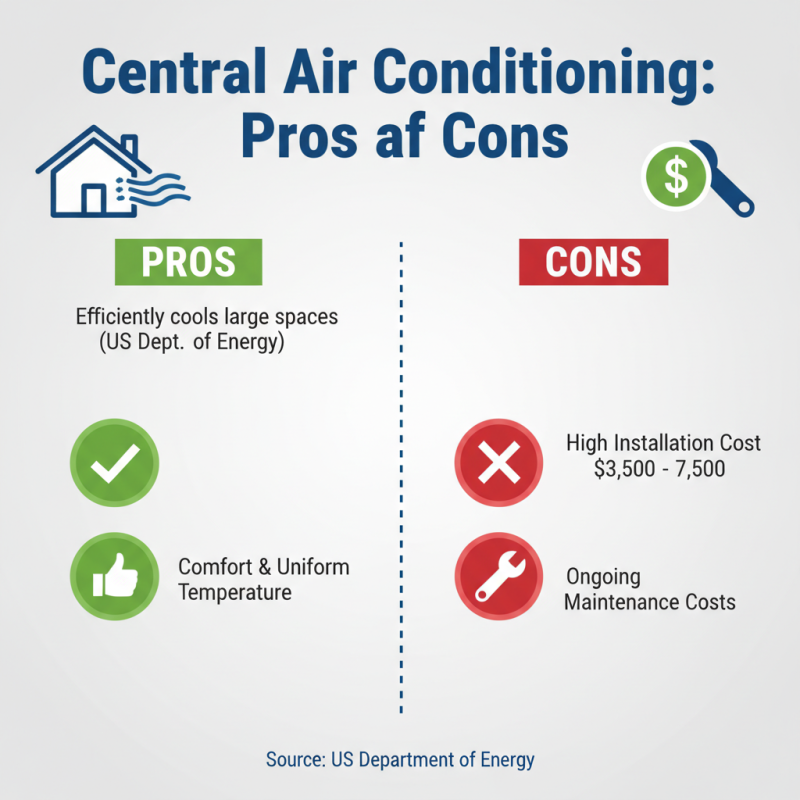
When selecting a cooling system for your home, it's crucial to understand the different types available. Central air conditioning is often the go-to choice. According to the U.S. Department of Energy, it can provide efficient cooling for larger spaces. However, its installation can be costly. On average, homeowners spend between $3,500 and $7,500 for a complete system. Maintenance can also add up over time, which is an important factor to consider.
Ductless mini-split systems offer a flexible alternative. They are easier to install and can cool individual rooms. A study from the American Society of Heating, Refrigerating and Air-Conditioning Engineers (ASHRAE) notes that ductless systems can improve energy efficiency by up to 30%. Yet, some users report issues with their aesthetics. Moreover, the initial cost may still be significant. The systems can range from $2,000 to $5,000, depending on the installation requirements.
Evaporative coolers, or swamp coolers, are another option. These systems are most effective in dry climates. They can lower temperatures significantly by using water evaporation. The cost can be low—often under $1,000. However, their effectiveness diminishes in humid conditions. Homeowners must weigh these pros and cons to find the best fit for their needs. Careful consideration can lead to better comfort and energy savings in your home.
Factors to Consider for Energy Efficiency
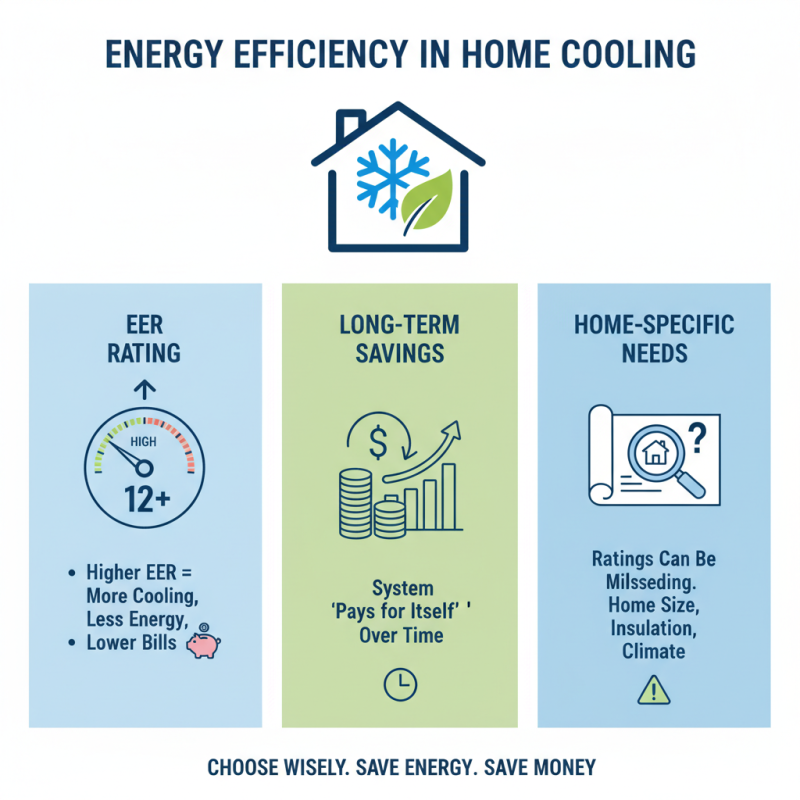
When choosing a cooling system for your home, energy efficiency is key. Look for systems with high Energy Efficiency Ratio (EER) ratings. A higher rating indicates more cooling power for less energy consumed. This can translate to lower utility bills over time. A good choice could nearly pay for itself in energy savings. However, remember that these ratings can sometimes be misleading. Always consider the specific needs of your home.
The layout of your space matters too. Large, open areas may require more powerful systems. Smaller spaces might do well with portable units or window units. Insulation plays a vital role, too. Well-insulated homes retain cool air better, improving efficiency. Think about window treatments as well. Proper shading can reduce heat gain. Yet, not everyone can afford an overhaul. It’s okay to start small and upgrade over time.
Regular maintenance is essential for efficiency too. Clean filters and coils can make a significant difference. Neglecting these tasks can lead to higher energy use. Many people overlook this point. It’s good to check these parts regularly. If replacements or repairs are needed, they should not be ignored. Understanding these factors will help you choose a cooling system that meets your energy efficiency goals.
Evaluating Installation and Maintenance Requirements
When selecting a cooling system for your home, consider installation and maintenance needs carefully. Many systems require a professional installation that may be costly. Ensure you understand what tools or expertise are necessary. Some units might even need ductwork adjustments. It can be inconvenient if you’re not prepared.
Maintenance is another vital factor. Some cooling systems demand regular checks and cleaning. Air filters need replacements every few months. Otherwise, efficiency drops significantly. Some homeowners overlook this, which can lead to unexpected costs. Remember, neglecting maintenance impacts performance and lifespan.
Think about your own ability to perform maintenance tasks too. Can you reach high areas easily? Is your schedule flexible enough for upkeep? Reflect on these points before making a decision. A less efficient system may seem cheaper initially, but will it be worth it long-term? Balancing costs with convenience is essential in the decision-making process.
Budgeting for Cooling System Purchase and Operation
When considering a cooling system for your home, budgeting is crucial. A report from the U.S. Department of Energy indicates that cooling accounts for around 17% of energy use in the average home. Understanding both initial purchase costs and ongoing operational expenses can prevent financial strain.
Tip: Always start with a clear budget. Research the average costs of various cooling systems in your area. Central air conditioning often has a higher upfront cost but lower operating expenses. In contrast, window units are cheaper initially but might lead to higher electric bills due to inefficiency.
Monitor energy costs related to cooling. The Energy Information Administration notes that homes in hotter climates can expect higher utility bills, sometimes exceeding $400 monthly in summer. This emphasizes the importance of energy efficiency. Consider investing in systems with higher SEER ratings for better performance and lower energy consumption.
Tip: Don’t overlook maintenance costs. Regular service checks may seem like an extra expense but can increase system lifespan and efficiency. Skipping maintenance may lead to costly repairs later. Always weigh the initial investment against the potential long-term savings.
Top Tips for Choosing the Right Cooling Systems for Your Home
| Cooling System Type |
Initial Cost ($) |
Annual Operating Cost ($) |
Energy Efficiency (SEER Rating) |
Lifespan (Years) |
| Central Air Conditioning |
3,500 |
1,200 |
16 |
15 |
| Ductless Mini-Split |
2,500 |
900 |
18 |
20 |
| Window Air Conditioner |
300 |
250 |
12 |
5 |
| Evaporative Cooler |
1,000 |
300 |
8 |
10 |
| Portable Air Conditioner |
600 |
400 |
9 |
5 |