How to Improve Air Cooling Efficiency for Your Home?
Improving air cooling efficiency is essential for homeowners seeking comfort and energy savings. According to the U.S. Department of Energy, nearly 12% of residential energy use comes from air conditioning systems. This significant statistic underscores the importance of optimizing air cooling. Expert Brian Smith, an HVAC consultant, emphasizes, "Efficient air cooling can reduce energy bills and enhance indoor comfort."
Proper insulation and regular maintenance can vastly improve air cooling effectiveness. For instance, sealing windows and doors prevents cool air from escaping. In older homes, inadequate insulation may lead to increased cooling costs and discomfort. Homeowners often overlook these critical aspects, leading to wasted energy and higher bills.
Investing in energy-efficient air cooling systems is another key strategy. Systems with a high Seasonal Energy Efficiency Ratio (SEER) provide better performance. Yet, many homeowners remain unaware of the potential savings. It’s crucial to stay informed about innovations in the air cooling industry to make sound decisions. This approach not only benefits individual households but contributes to broader energy conservation efforts.
Understanding the Basics of Air Cooling Systems in Homes
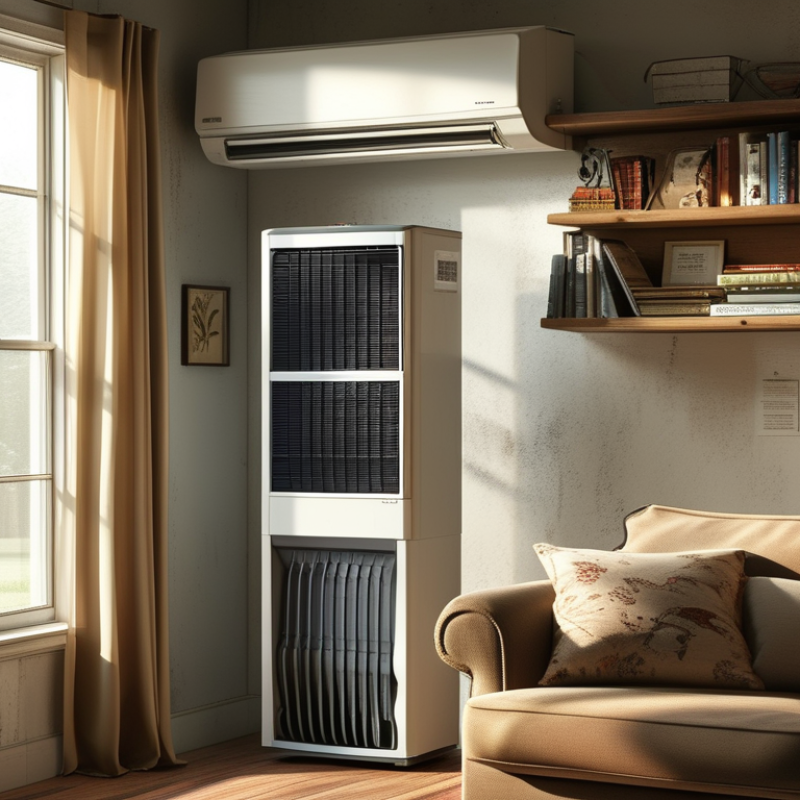
Air cooling systems play a crucial role in maintaining a comfortable indoor environment. Understanding how they work can enhance their efficiency. These systems generally include air conditioners, evaporative coolers, and fans. Each type has unique mechanisms to lower indoor temperatures. Air conditioners relocate heat outdoors, while evaporative coolers use water evaporation to cool air. Fans circulate air but don't actually lower temperatures.
Regular maintenance of air cooling systems is essential. Uneven airflow can lead to hot and cold spots in homes. Cleaning or replacing air filters can greatly improve airflow. Insulation also affects cooling efficiency. Homes with proper insulation retain cool air better. Sealing leaks around windows and doors is vital for maintaining a stable indoor temperature.
Homeowners often overlook these small details. Many assume that a larger unit will solve their cooling problems. However, oversizing can create inefficiencies. Understanding your home’s specific cooling needs is key. By investing time in analysis and upkeep, one can achieve better air cooling efficiency. Observing how a system responds to changes can also provide insights for improvement.
Exploring Different Types of Air Coolers and Their Efficiency
When considering air cooling for your home, various options exist. Evaporative coolers, also known as swamp coolers, use water evaporation to lower air temperature. They are most effective in dry climates. These units can be energy-efficient alternatives to traditional refrigerant-based air conditioning systems.
Another popular type is the portable air cooler. These units offer flexibility and easy installation. They can cool specific areas rather than entire homes, which may help save energy. However, their cooling capacity may be limited. It's essential to assess the square footage before making a choice.
Window air conditioners remain common for many households. They are efficient for cooling single rooms. Still, they can lead to higher energy bills when operating continuously. Regular maintenance is crucial for optimizing performance. Dirty filters or blocked vents can reduce efficiency. Understanding your specific needs will guide the best cooling solution for your home.
Key Factors Influencing Air Cooling Efficiency in Residential Spaces
Improving air cooling efficiency in your home is crucial for comfort and energy savings. Key factors influence how well your air conditioning system performs. One of the most significant elements is insulation. Proper insulation prevents cool air from escaping and hot air from entering. Examine your walls, attic, and windows for gaps. Sealing these areas can make a substantial difference.
Another factor is sunlight exposure. Direct sunlight can increase indoor temperatures. Consider using reflective window films or outdoor shades. This can help reduce the heat entering your space. Plants can also provide shade and improve air quality.
Tips: Regular maintenance of your air conditioning unit is vital. Clean or replace filters every month. A clean filter allows for better airflow. Inspect ducts for any leaks. Addressing these issues ensures maximum efficiency. Consider programming your thermostat. A smart thermostat adjusts temperatures based on your schedule, reducing energy usage without sacrificing comfort.
Be mindful of the size of your cooling unit. An oversized unit cools too quickly and may lead to humidity issues. An undersized unit struggles to maintain the desired temperature. Finding the right balance is essential for effective cooling. Engage a professional to help determine the best fit for your home.
Tips for Enhancing Airflow and Insulation to Boost Cooling Performance
Improving airflow in your home is essential for efficient cooling. Ensure all vents and ducts are clean and unobstructed. Dust and debris can restrict airflow significantly. Regular maintenance makes a notable difference. Consider installing ceiling fans to create a wind chill effect. They enhance airflow at a lower energy cost.
Insulation plays a critical role in cooling performance. Inspect your insulation and identify gaps. Weatherstripping on windows and doors can prevent cool air from escaping. Don’t overlook your attic; proper insulation here helps keep the hot air out. Reflective barrier materials can also be beneficial. They reduce heat gain from the sun.
While these measures are helpful, the impact may vary. Some homes may require specialized solutions. If the cooling isn’t sufficient, reassess your approach. It’s key to find what truly works for your space. Take the time to experiment and adjust as needed.
How to Improve Air Cooling Efficiency for Your Home?
| Tip |
Description |
Expected Improvement (%) |
| Optimize Airflow |
Ensure that vents and registers are unobstructed to allow proper airflow throughout the home. |
15% |
| Insulate Ducts |
Cover ducts with insulating material to minimize cool air loss. |
25% |
| Seal Leaks |
Use caulk or weather stripping to seal gaps around windows and doors. |
20% |
| Upgrade Thermostat |
Install a programmable or smart thermostat to better control cooling cycles. |
10% |
| Maintain AC Units |
Regularly clean and maintain air conditioning units for optimal performance. |
30% |
| Install Ceiling Fans |
Use ceiling fans to improve air circulation and reduce reliance on AC. |
18% |
Regular Maintenance Practices to Optimize Your Air Cooling System
To maintain optimal air cooling efficiency, regular maintenance of your cooling system is crucial. Begin with a thorough inspection. Dust and debris can accumulate in filters and vents, restricting airflow. Clean or replace filters every 1-3 months. This simple task can significantly improve air quality and cooling performance. Also, check the outdoor unit for leaves or dirt that could block airflow.
Another important step is checking the refrigerant levels. Low levels can cause your cooling system to work harder, increasing energy costs. If you notice a drop in cooling efficiency, it may indicate a refrigerant leak. Hiring a professional to handle this issue is advisable. Regular professional servicing ensures your system operates safely and efficiently.
Don’t overlook the importance of insulation. Proper insulation in your home helps maintain internal temperatures. Examine windows and doors for drafts. Sealing leaks can prevent cool air from escaping. Additionally, consider the placement of your thermostat. Keep it away from direct sunlight or heat sources. These maintenance practices can enhance your air cooling system's efficiency, but remember—they require a commitment. Prioritizing these tasks leads to better performance over time.
How to Improve Air Cooling Efficiency for Your Home
This chart displays the various factors affecting air cooling efficiency in homes, measured in percentage improvements based on regular maintenance practices.