Top 10 Tips for Choosing the Best Liquid Cooler Radiator for Your PC
When building or upgrading a PC, one of the most critical components to consider is the cooling system. Specifically, the Liquid Cooler Radiator plays a vital role in maintaining optimal temperatures for your CPU and GPU, ensuring that your system runs efficiently and lasts longer. With a wide variety of liquid cooler radiators available on the market, selecting the right one can be a daunting task. This guide aims to simplify that process by offering essential tips that will empower you to make an informed decision tailored to your unique needs.
Choosing the best Liquid Cooler Radiator is not just about aesthetics; it involves understanding the specifications and features that will best suit your system's requirements. Factors such as size, compatibility, cooling performance, and noise levels should all be considered. In this article, we will explore the top ten tips that will help you navigate the many options and find the perfect liquid cooler radiator for your PC build, ensuring optimal performance and reliability for your gaming or productivity endeavors. Whether you're a seasoned enthusiast or a newcomer to gaming PCs, these insights will enhance your purchasing experience and technical knowledge.

Understanding the Importance of Liquid Cooling in PC Builds
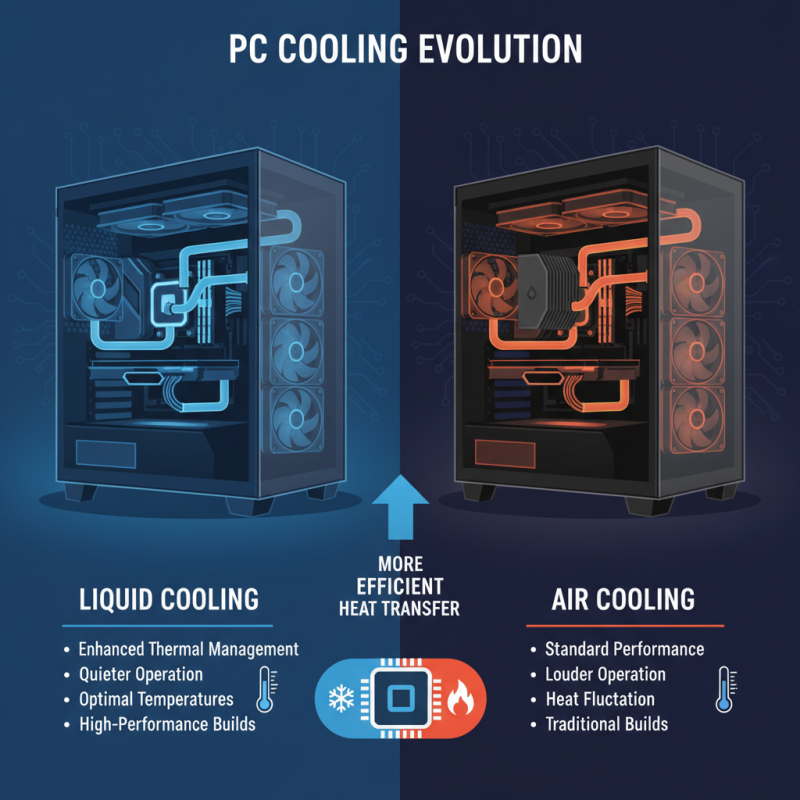
Liquid cooling has become an essential component in high-performance PC builds, primarily due to its ability to maintain optimal temperatures under heavy loads. Unlike traditional air cooling systems, liquid cooling utilizes a liquid coolant to transfer heat away from the CPU and GPU more efficiently. This method not only enhances thermal management but also allows for quieter operation, reducing noise levels that can be disruptive during intense gaming sessions or resource-heavy tasks.
The importance of liquid cooling extends beyond mere temperature control. It contributes to the longevity of PC components by preventing overheating, which can lead to hardware damage over time. Additionally, its sleek design can improve airflow within the PC, allowing for better overall system performance. As gaming and computational demands continue to rise, having a reliable and efficient cooling solution becomes increasingly critical. By investing in a quality liquid cooler radiator, builders can ensure their systems run smoothly, even during the most demanding tasks.
Key Factors to Consider When Choosing a Liquid Cooler Radiator
When choosing the best liquid cooler radiator for your PC, several key factors should be considered to ensure optimal performance and compatibility with your system. First and foremost, the size of the radiator should align with the available space in your case. Radiators come in various sizes, typically measured in millimeters, and it is crucial to verify that your case can accommodate the selected radiator without hindering airflow or obstructing other components. Additionally, consider the radiator's thickness, as thicker radiators usually provide better cooling efficiency, but they may also require more space.
Another important aspect is the number of fans the radiator supports and the type of fans utilized. More fans can enhance cooling performance by increasing airflow, but it's essential to choose fans that operate quietly and efficiently. Furthermore, reviewing the material quality of the radiator itself is vital; copper and aluminum are common materials that affect both thermal conductivity and durability. Lastly, ensure that the radiator is compatible with your CPU and fittings to avoid any installation issues. By carefully considering these factors, you can select a liquid cooler radiator that meets your performance needs while fitting seamlessly into your PC build.
Top 10 Tips for Choosing the Best Liquid Cooler Radiator for Your PC
| Feature |
Description |
Importance |
Recommended Size |
| Radiator Size |
The physical dimensions of the radiator, affecting cooling efficiency. |
High |
240mm or 360mm |
| Fan Compatibility |
Ensure the radiator fits the chosen fans and can accommodate airflow. |
Medium |
120mm, 140mm |
| Material Quality |
Higher quality materials improve thermal performance and durability. |
High |
Copper or Aluminum |
| Cooling Performance |
Measure of how effectively the radiator reduces temperatures. |
High |
High CFM rating |
| Noise Level |
Decibel levels produced by fans, an important factor for quiet builds. |
Medium |
< 30 dBA |
| Aesthetic Design |
Visual appeal and RGB integration to match PC builds. |
Medium |
N/A |
| Ease of Installation |
How easy it is to install, including mounting and setup instructions. |
High |
N/A |
| Warranty and Support |
Manufacturer's warranty and customer support effectiveness. |
Medium |
2+ years |
| Price |
Cost of the radiator relative to features and performance. |
High |
$100 - $200 |
| Customer Reviews |
Feedback from users regarding reliability and performance. |
Medium |
4 stars and above |
Different Types of Liquid Coolers and Their Applications
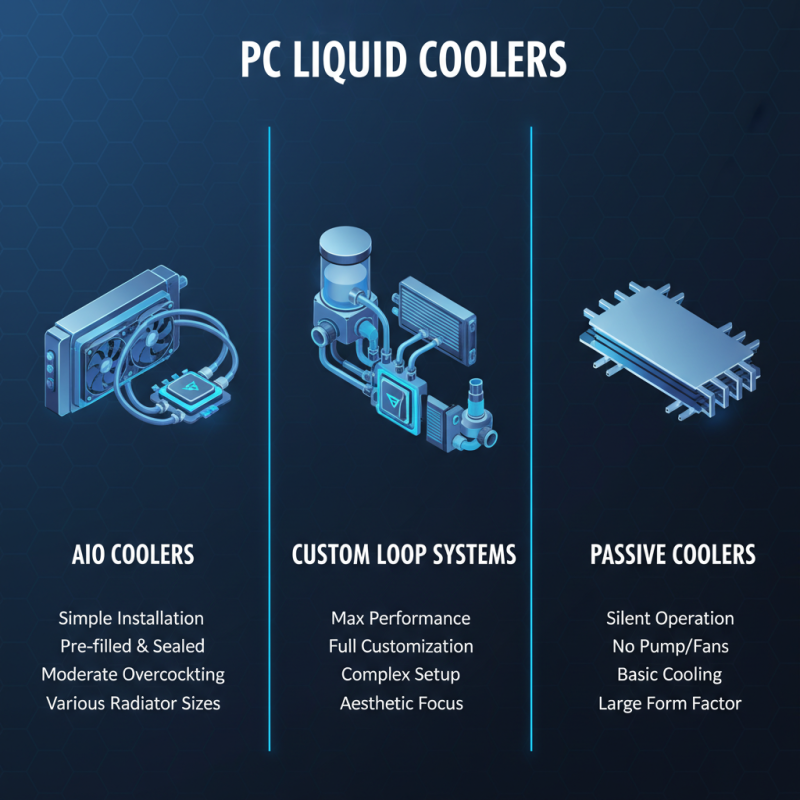
When it comes to selecting a liquid cooler for your PC, understanding the different types of liquid coolers available is crucial. There are primarily three types of liquid cooling systems: all-in-one (AIO) coolers, custom loop systems, and passive coolers. AIO coolers are the most popular choice for gamers and enthusiasts due to their simplicity and ease of installation. They come pre-filled and sealed, making them an excellent option for those who want efficient cooling without the complexity of a custom setup. AIO coolers are effective for moderate overclocking and are generally available in various radiator sizes to fit different cases.
On the other hand, custom loop systems offer unparalleled cooling performance and the ability to tailor your setup according to specific needs. These systems require careful planning and assembly, involving separate components like pumps, reservoirs, and radiators. They are particularly advantageous for users looking to overclock their CPUs or GPUs significantly, providing superior thermal management. Lastly, passive coolers, which rely solely on natural convection without fans, can be suitable for low-power systems where silence is paramount but may not be ideal for high-performance applications. Understanding these types of liquid coolers and their applications will help you make an informed choice tailored to your performance needs and aesthetic preferences.
Assessing Radiator Size and Compatibility with Your PC Case
When selecting a liquid cooler radiator for your PC, one of the most crucial factors to consider is its size and compatibility with your PC case. Radiator dimensions can greatly affect cooling performance and airflow. According to the PC Hardware Research Institute, optimal radiator sizing allows for enhanced heat dissipation, resulting in lower temperatures for components and potentially extending their lifespan. Therefore, measure the space available in your case and ensure you select a radiator that will fit without obstructing any other components.
It's essential to ensure that your chosen radiator is compatible with your PC case's mounting locations. Many cases support radiators in various configurations, such as front, top, or bottom placements. The latest market data indicates that a significant number of cases can fit either a 240mm or 360mm radiator, which are popular choices due to their balance of size and cooling efficiency. Be sure to consult your PC case specifications and consider the total volume of the cooling system, as an underpowered radiator can lead to inadequate heat removal.
When choosing your radiator, remember to consider the thickness as well. Thicker radiators typically offer better cooling potential but may require more space, which could conflict with other components or fans. Measure not only the height and width but also the depth of the radiator to ensure a seamless fit. By paying close attention to these details, you can improve your PC's cooling efficiency and create a more stable and reliable system.
Cooling Performance Comparison of Different Radiator Sizes
Evaluating Performance and Noise Levels of Liquid Coolers
When selecting a liquid cooler radiator for your PC, understanding performance and noise levels is crucial. The performance of a liquid cooler is primarily determined by its cooling efficiency, which is influenced by factors such as radiator size, fan speed, and water pump quality. A larger radiator typically offers more surface area for heat dissipation, allowing for better thermal performance. However, it's essential to balance size with your PC case dimensions to ensure compatibility. Additionally, look for radiators that feature high static pressure fans, as these can maintain optimal airflow even against resistance from the radiator fins, enhancing overall cooling efficiency.
Noise levels are another significant factor to consider, especially for those who prefer a quieter computing experience. The noise generated by a liquid cooler is often a result of both the fans and the pump. Fans with larger diameters tend to operate at lower RPMs while still moving a significant volume of air, which can minimize noise. Furthermore, choosing a cooler with a well-designed pump can reduce vibrations and operational noise. It's advisable to check the decibel ratings provided by manufacturers and consider reading user reviews for real-world noise assessments. By carefully evaluating both performance and noise levels, you can select a liquid cooler radiator that meets your needs for effective cooling while ensuring a tranquil computing environment.