How to Choose the Best Air Cooling System for Your Needs?
Choosing the right air cooling system can be daunting. With various options available, finding one that suits your needs is essential. According to a recent report by the U.S. Department of Energy, air conditioning accounts for about 12% of the total energy use in residential homes. This emphasizes the importance of selecting an efficient air cooling solution.
Air cooling systems vary widely in technology and efficiency. For example, evaporative coolers use significantly less energy than traditional air conditioners, making them an attractive option for dry climates. However, they may not perform well in high-humidity areas. Understanding your local climate and specific cooling requirements is crucial. The global air conditioning market is expected to reach $155 billion by 2025, highlighting the growing need for reliable air cooling solutions.
Deciding on the best air cooling system requires a balance of factors. This includes energy efficiency, cost, and personal comfort preferences. Seek out knowledgeable sources and reviews to guide your choice. Reflecting on the system's long-term impact on both your wallet and the environment can lead to a more informed decision. Each cooling system has its nuances and trade-offs that demand careful consideration.
Understanding Different Types of Air Cooling Systems Available in the Market
When selecting an air cooling system, it’s essential to understand the various types available. Evaporative coolers, also known as swamp coolers, utilize the natural process of evaporation to cool the air. These systems are energy-efficient and reduce humidity levels, making them suitable for dry climates. According to the U.S. Department of Energy, they can reduce indoor temperatures by up to 20 degrees Fahrenheit, presenting a cost-effective solution for households.
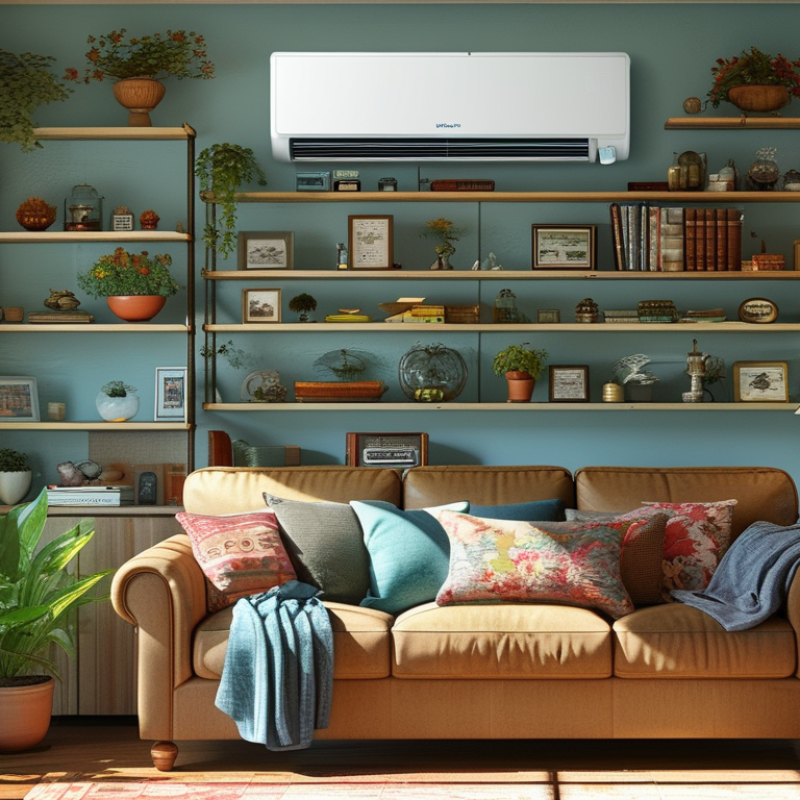
Another popular option is ductless mini-split systems. These systems consist of an outdoor compressor and indoor air-handling units. They offer flexibility in airflow control, allowing users to cool specific areas rather than the entire home. The 2021 Energy Star report revealed that ductless systems have an efficiency rating up to 30% higher than traditional air conditioning units. However, installation costs can be a concern, requiring thoughtful budgeting.
Central air conditioning systems are also prevalent. They work by distributing cool air through ductwork. While effective for larger homes, they may come with higher energy bills. A recent survey showed that homeowners could save 20% on energy costs by upgrading to modern central air systems that utilize variable speed technology. It’s crucial to evaluate the benefits and drawbacks of each option based on your living situation before making a decision. Each cooling type has unique advantages, ensuring that the best choice aligns with your specific needs and preferences.
Evaluating Your Space: Factors to Consider for Effective Cooling Solutions
When evaluating your space for cooling solutions, you need to consider various factors. Start with the size of your area. A larger space requires more powerful systems. According to the Department of Energy, a cooling system should provide about 20 BTU for each square foot of living space. This guideline helps ensure optimal cooling without wasting energy.
Next, assess the insulation quality. Well-insulated spaces retain cool air effectively. If your walls and windows are poorly insulated, consider improving them first. Data shows that around 30% of energy losses occur through poorly sealed windows. Addressing insulation can enhance cooling efficiency significantly.
Look at your local climate as well. If your region experiences high humidity, you may need a system that dehumidifies air effectively. Humidity increases the perceived temperature, making you uncomfortable. Evaluate cooling solutions that target both temperature and humidity for the best results.
Consider these factors carefully. Balancing your needs and the environment can sometimes feel overwhelming. Yet, making informed choices is essential. Reliable sources indicate that improving your home’s energy efficiency can reduce cooling costs by up to 30%.
Energy Efficiency Ratings: Choosing an Eco-Friendly Air Cooling System
When selecting an eco-friendly air cooling system, energy efficiency is paramount. Look for systems with high energy efficiency ratings. These ratings are often expressed as SEER (Seasonal Energy Efficiency Ratio) for air conditioners. Higher SEER numbers indicate greater efficiency and lower energy consumption. Units with a SEER of 16 or higher are generally considered energy-efficient options.
Consider the long-term costs associated with energy use. While an energy-efficient model might have a higher initial purchase price, it can lead to significant savings on utility bills over time. This is particularly important in regions with extreme temperatures, where the unit may be used extensively.
Don't overlook additional factors like insulation and ventilation in your home. A high-efficiency air cooling system will not perform well in an inefficient environment. Sometimes moving a few items around or sealing gaps can improve efficiency. It’s also essential to evaluate your cooling needs accurately. An oversized system can cool too quickly, leading to inefficient energy usage. Always weigh your options and reflect on your specific living conditions before making a choice.
Budget Considerations: Finding a Cooling System That Fits Your Wallet
Choosing an air cooling system involves more than just selecting the latest model. Budget considerations are vital. Assess your financial limits before diving in.
A cooling system can range widely in price. Knowing what you can afford helps narrow down options.
Consider not just the upfront costs. Think about energy efficiency as well. Higher efficiency may mean higher initial costs, but lower energy bills in the long run.
Calculate potential savings to make an informed decision. Research varying types of systems. Each type has different operational costs and maintenance needs.
It's easy to overlook installation costs. Many systems require professional setups. These expenses can add up quickly. Factor these costs into your budget.
Reflect on your priorities. Sometimes, a less expensive unit with good reviews may be a wiser choice than a high-end model. Finding the right balance between cost and quality is crucial in making a satisfactory decision.
Maintenance and Longevity: Ensuring Your Air Cooling System Lasts
When choosing an air cooling system, maintenance is crucial for longevity. Regular maintenance can increase the lifespan of your system by up to 20%. According to industry reports, systems well maintained can last over a decade, while those neglected may fail within five years.
One key aspect is cleaning or replacing air filters regularly. Dirty filters can restrict airflow and increase energy consumption by as much as 15%. Additionally, scheduling annual professional inspections can help identify potential issues early. Ignoring small problems can lead to major repairs later.
Another important factor is the placement of your cooling system. Ensure the area around the unit is clear of debris. Obstructions can hinder performance and cause overheating. Understand that even high-quality systems need attention. Reflecting on your cooling habits can reveal areas for improvement. A proactive approach pays off in the long run, enhancing both comfort and efficiency.